Services
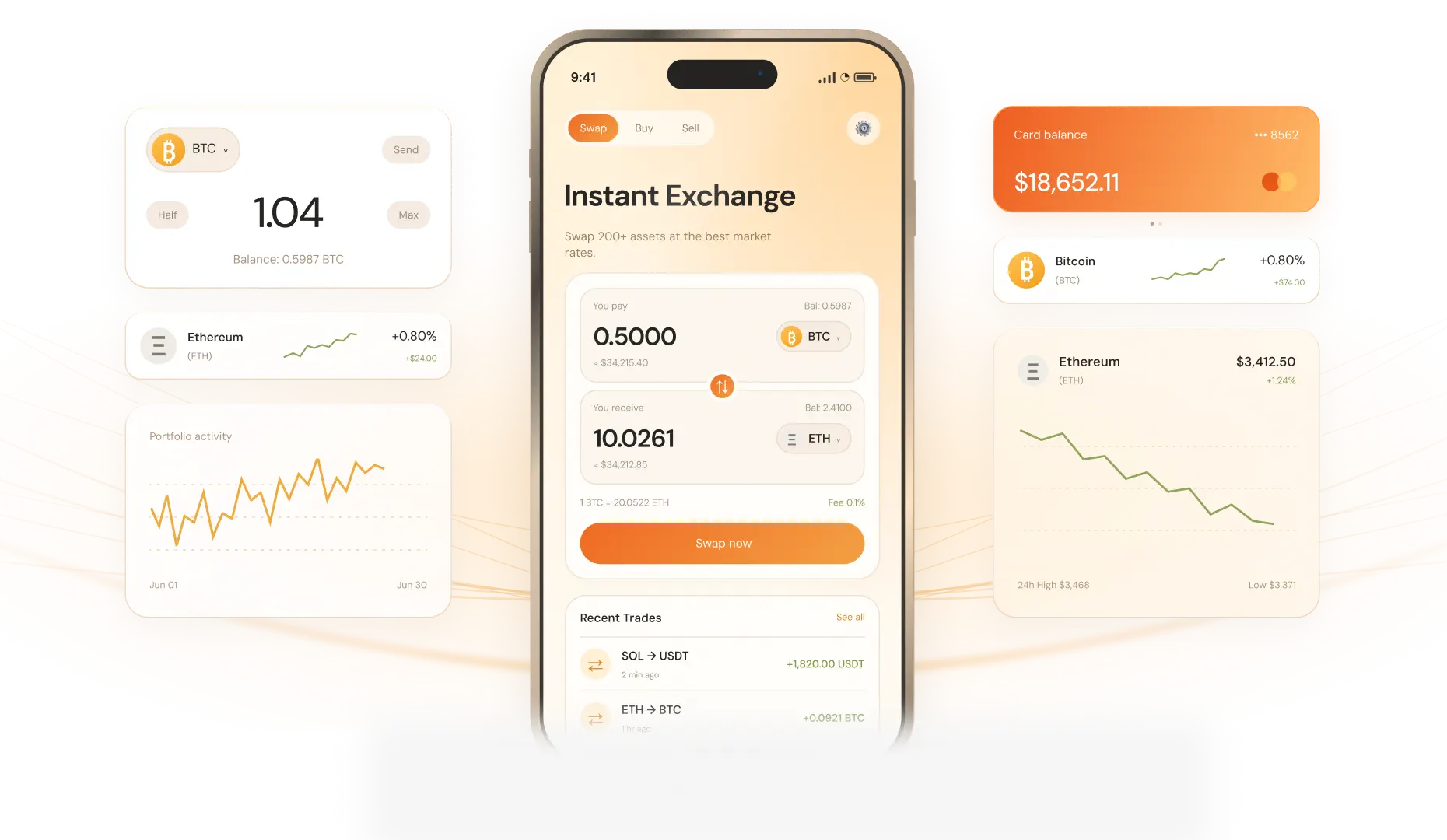
Alpharive designs and builds custom crypto exchange platforms for operators in the United States. A US build typically combines a trading engine, a wallet and custody layer, an admin back office, and the integrations a compliance programme relies on: identity verification, sanctions screening, transaction monitoring and audit reporting. Alpharive is a technology partner, not a law firm or a regulator, so we scope the platform around the obligations your counsel identifies instead of promising a licence.
| At a glance | |
|---|---|
| What we build | Spot crypto exchange platforms: trading engine, wallets and custody layer, KYC/AML integrations, admin back office, web and mobile clients, APIs |
| Best suited to | US-based founders, fintechs, brokers and trading firms launching or replacing an exchange platform |
| Scoping inputs | Target states, supported assets, custody model, fiat rails, compliance providers, expected volumes |
| Not included | Legal advice, licence applications, regulator submissions, asset-listing decisions |
| Next step | A technical discovery call |
Our custom crypto exchange development service describes exchange models and architecture in general. This page focuses on what changes when the operator, the customers or the fiat flows are in the United States.
| Module | What is built | US scoping consideration |
|---|---|---|
| Matching engine and order book | Order validation, order types agreed in scope, price-time matching, trade records | Market-integrity controls and trade records your counsel may require |
| Wallet and custody layer | Hot and cold wallet segregation, HSM- or MPC-backed key management, withdrawal approvals, address allow-lists | The custody model affects licensing and capital questions; decide it with counsel before build |
| KYC/KYB onboarding | Identity-verification integration, document capture, risk tiers, limits by tier | Supports the customer-identification steps your AML programme defines |
| Sanctions and AML monitoring | Sanctions-screening hooks (including OFAC lists), blockchain-analytics and transaction-monitoring integrations, alert queues, case notes | OFAC obligations apply to US persons; monitoring rules come from your AML programme |
| Fiat rails | Bank, ACH, wire or card integrations through your banking and payment partners, reconciliation | Banking-partner and state-licence conditions vary |
| Admin and back office | Role-based permissions, audit logs, fee and market configuration, listing management, exportable reports | Record-keeping and examination readiness |
| APIs and clients | REST and WebSocket APIs, web app, iOS and Android apps | Rate limits and access controls for institutional users |
| Scoping question | How it changes the platform |
|---|---|
| Which states will you serve? | Geo-controls, state-specific limits and disclosures, per-state availability flags |
| Do you hold customer keys? | Custody architecture, key-management design, withdrawal controls |
| Which assets will you list? | Listing and delisting workflow, asset-risk review fields, per-asset limits |
| Will you support fiat? | Payment integrations, reconciliation, banking-partner reporting |
| Margin, derivatives or staking? | Separate regulatory perimeters and separate platform scope |
This page is general information and not legal advice. Consult qualified US counsel about licensing, registration and the assets you plan to list.
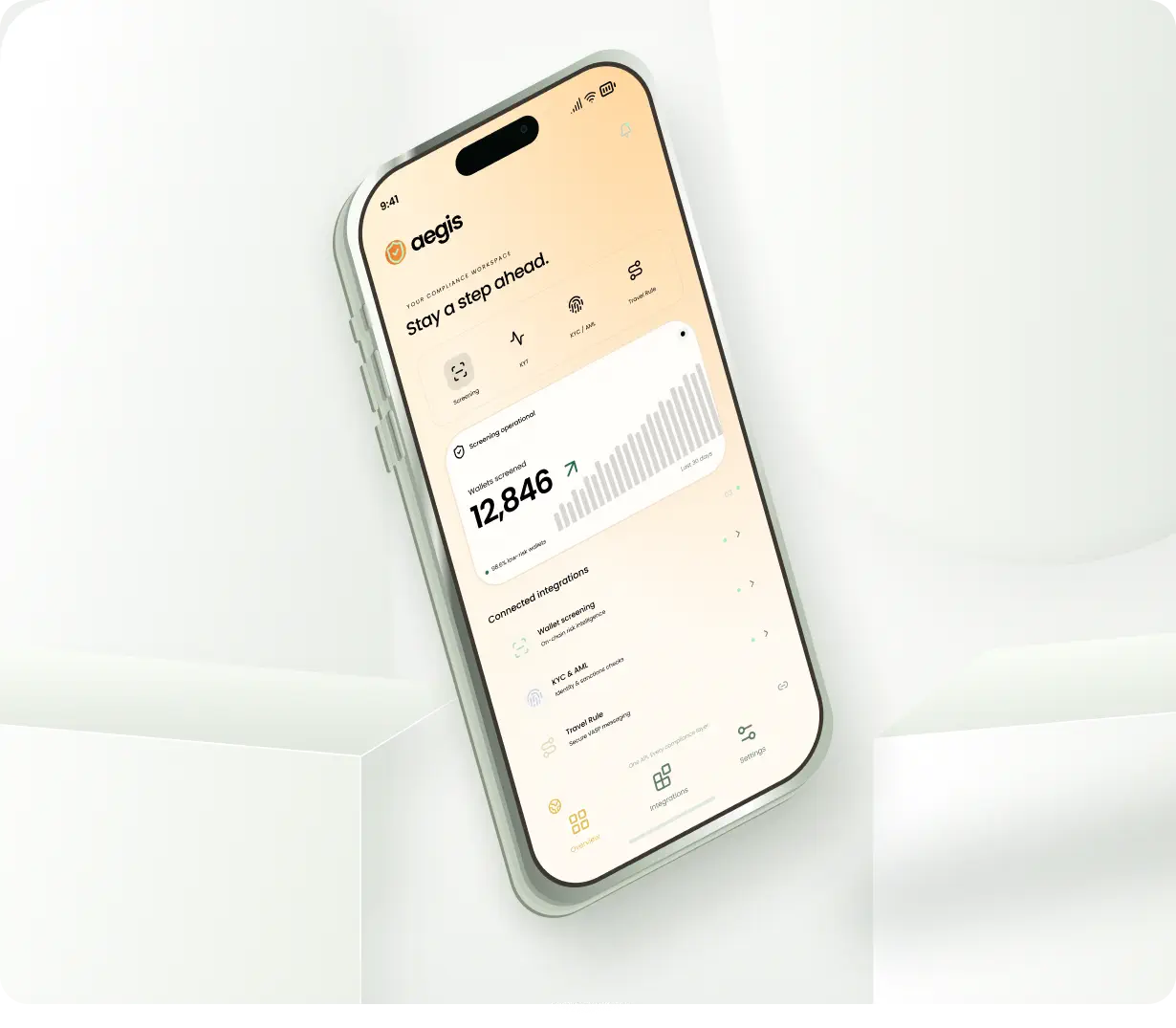
We integrate with the providers your compliance team selects through their APIs, and we expose the data they need: customer risk tiers, alert queues, case notes, decision logs and exportable audit trails. Typical integration categories include:
Security is built in layers, then tested before launch:
No platform is risk-free, so we design for detection and response as well as prevention.

Protect your exchange with secure wallet architecture, advanced key management, controlled withdrawals and continuous monitoring. Work with Alpharive to plan security around your platform's requirements.
| Stage | Main activities | Output |
|---|---|---|
| 1. Discovery and scoping | Business model, target states, asset list, custody model, compliance-provider selection | Scope document, architecture options, open questions for counsel |
| 2. Architecture and design | Service boundaries, data model, security model, user flows | Architecture documents, API specifications, designs |
| 3. Build | Development of the engine, wallets, back office and integrations | Working increments for review |
| 4. Security and performance testing | Load testing, independent penetration test, review of withdrawal and key flows | Test reports and remediation list |
| 5. UAT and launch preparation | User acceptance testing, runbooks, monitoring, go-live checklist | Launch plan |
| 6. Post-launch support | Monitoring, maintenance, enhancements | Support arrangement |
Timeline and cost depend on scope. The main drivers are the markets and order types supported, the custody model, the number of assets and blockchains, fiat rails, compliance integrations, back-office depth and security-testing requirements.
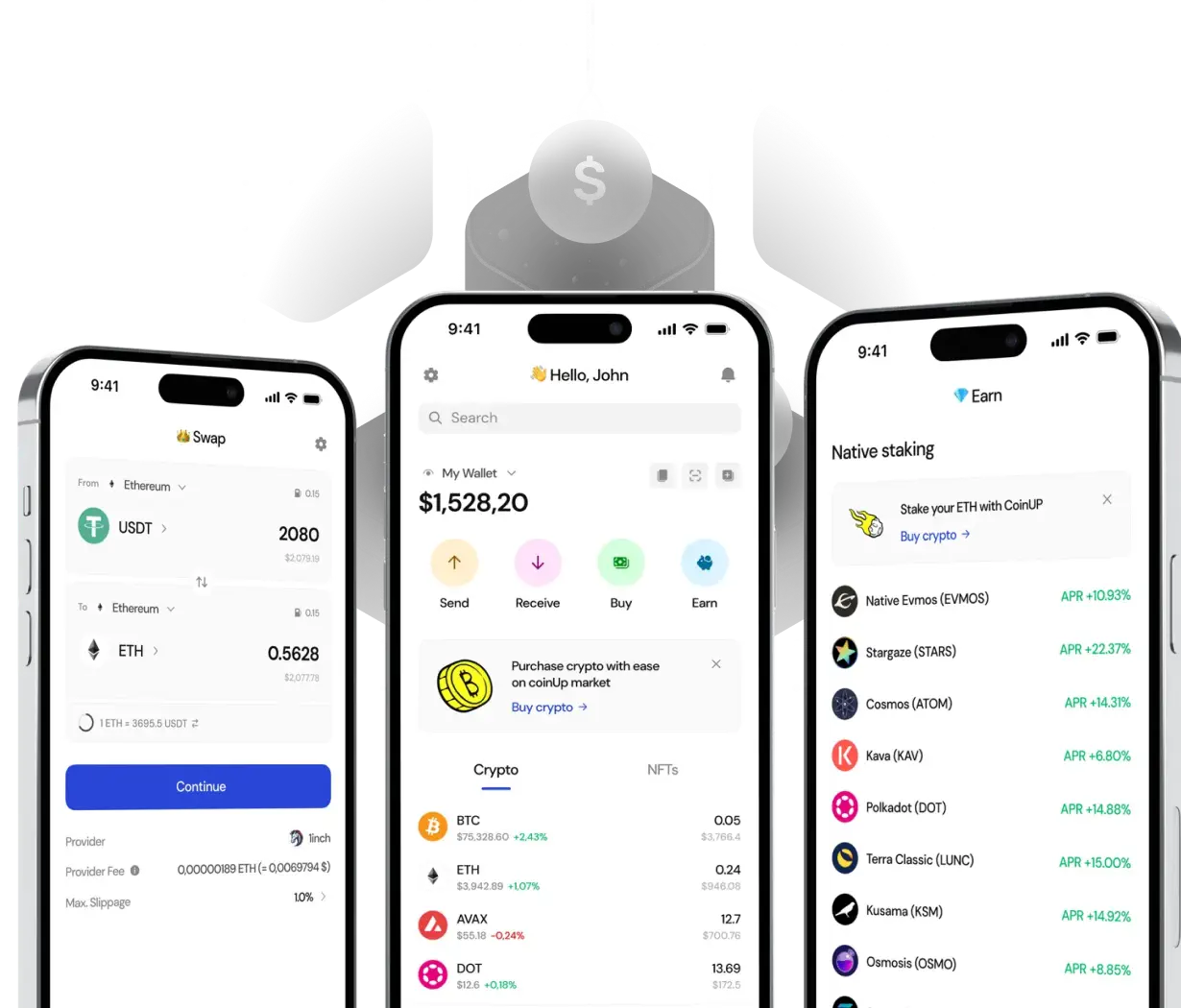
A custom build suits operators who need differentiated matching logic, a specific custody design or integrations they must control. A white-label platform suits teams that prioritise speed to launch with a standard feature set.
The right choice depends on your business model, your differentiation and the regulatory scoping you complete with counsel.
Alpharive developed a custom cryptocurrency exchange platform designed to support secure digital asset trading and operational requirements.
| Project Details | Description |
|---|---|
| Client Sector | Fintech / Cryptocurrency Exchange |
| Project Objective | Develop a secure cryptocurrency exchange platform |
| Scope Delivered | Trading engine, order book, wallet integration, admin dashboard, user management and KYC/AML workflows |
| Technology Stack | Next.js, Node.js, MongoDB, Rust |
| Architecture | Frontend, backend services, database and Rust-based trading engine |
| Integrations | Wallet services, identity verification and compliance integrations |
| Delivery Timeline | 30 days |
| Measurable Outcome | The crypto exchange platform successfully supports 1,000+ registered users, 50+ trading pairs 5+ blockchain networks , with a trading volume of $100,000+ and 99.9% platform availability. |

Share your exchange model and target US states. We will outline an initial scope and the questions your counsel should resolve before the architecture is fixed.

FAQ


Our success stories
0+
Projects completed
0+
Awards Received
0+
Years of experience
0+
Team members
It depends on your activities, customers and states. Many exchange models involve FinCEN money services business registration and state money transmission licensing, and New York may require a BitLicense. Securities and commodities rules can also apply depending on the assets you list. Alpharive builds the platform; US counsel should determine your licensing position.
No. Alpharive is a technology partner and does not provide legal advice or apply for licences. We build the platform features your compliance programme specifies, such as KYC workflows, sanctions-screening hooks, monitoring alerts, audit logs and reporting exports.
Scope drives both. The main factors are the markets and order types supported, the custody model, the number of assets and blockchains, fiat rails, compliance integrations, admin and reporting depth, and security-testing requirements. A discovery workshop turns these into a defined scope and delivery plan.
Common categories are identity verification and KYB, sanctions screening, blockchain analytics and transaction monitoring, Travel Rule data capture, case management, banking and payment connectivity, and geolocation controls. We integrate with the providers your compliance team selects.
Custom suits operators who need differentiated matching logic, custody design or integrations they must control. White-label suits teams that prioritise speed to launch with a standard feature set. The right choice depends on your business model and the regulatory scoping completed with counsel.
Security is layered: segregated hot and cold storage, HSM, MPC or multisig key management, withdrawal limits and approvals, role-based admin access, audit logging, rate limiting and monitoring, followed by independent penetration testing before launch. No system is risk-free, so we also plan incident response and monitoring.
They can. The United States now has a federal framework for payment stablecoins, enacted in 2025 and still being implemented through regulations. If you plan to list or issue stablecoins, include that in legal scoping so the platform’s listing, custody and reporting features match the final rules.
We review your business model, target states, asset and custody plans, fiat flows and compliance providers. We then outline architecture options, delivery stages and the questions your counsel should resolve before design is fixed.