iOS vs Android Operating System: Which OS Is Better in 2026?
Choosing between Android and iOS has always sparked debate, but the decision feels even more important today as mobile devices evolve into personal hubs for work, entertainment, and everyday communication. Both operating systems have matured significantly, and each offers a different perspective on what a smartphone experience should be.
In this guide, we explore the strengths, limitations, and real differences between Android and iOS. Whether you're selecting a phone for personal use or planning a mobile app strategy for your business, comparing these platforms at a deeper level helps you understand which one aligns with your needs.
How Android and iOS Evolved Over the Years
The evolution of Android and iOS over the years shows how both platforms shaped modern mobile technology. Android began with a mission to bring openness and variety to smartphones, allowing device makers to build customized interfaces and features that matched their target audiences. It expanded quickly because of its flexibility and broad hardware reach.
iOS took a different path by prioritizing a unified design and experience across all Apple devices. Over time, it refined performance, tightened ecosystem integration, and built a reputation for strong security. These contrasting growth paths continue to influence user expectations, developer priorities, and the future direction of mobile experiences.
Android Operating System vs iOS: A Quick Overview
The Android operating system vs iOS discussion often starts with their design philosophies. Android emphasizes freedom, giving users the ability to customize layouts, choose default apps, and experiment with different device types. This flexibility attracts people who enjoy tailoring their devices to their personal style.
iOS focuses on simplicity, consistency, and seamless interaction across all Apple hardware. This approach helps create predictable performance and a smooth user experience that appeals to individuals who prefer an environment that "just works." These distinctions set the foundation for a broader comparison of how both systems operate across security, apps, hardware, and long-term usability.
Key Differences Between Android OS vs iOS
Understanding the key differences between Android OS vs iOS helps people make an informed decision. Android stands out for its customization options, variety of hardware, and wider price range. This results in a more open environment where users can shape their experience exactly how they prefer.
Meanwhile, iOS delivers a controlled and polished environment. Apple's single-vendor hardware model ensures a consistent level of performance, tighter ecosystem integration, and streamlined updates. These contrasting priorities influence everything from device setup to app behavior. Exploring these details gives users a stronger grasp of what each platform truly offers.
Android vs iOS Comparison
| Feature | Android | iOS |
| Customization | Highly customizable interface, widgets, layouts | Limited customization, consistent UI |
| Hardware Variety | Wide range of devices across price points | Exclusive to Apple devices |
| Security | Depends on OEM and update cycle | Strong centralized security with timely updates |
| App Store | Google Play with extensive catalog | Apple App Store with strict review standards |
| Ecosystem | More open, device-agnostic | Closed, tightly integrated ecosystem |
| Updates | Manufacturer-controlled, varied rollout | Direct updates from Apple |
Security and Privacy in Android vs iOS
Security and privacy in Android vs iOS remain essential considerations as smartphones store more personal and professional data. Apple's closed ecosystem gives iOS a clear advantage in maintaining consistent security standards. With direct control over software updates and hardware compatibility, iOS devices receive timely patches, reducing exposure to emerging threats.
Android also offers strong security, but the experience differs across manufacturers. Update delays, custom interfaces, and varied device quality can influence levels of protection. However, Android's permission models, biometric improvements, and Google Play Protect have strengthened security in recent years. Businesses evaluating device security often consider how these differences affect long-term data safety.
App Ecosystem Comparison: Google Play vs Apple App Store
The app ecosystem comparison between Google Play and the Apple App Store showcases their distinct approaches to application distribution. Google Play Store hosts a massive number of apps, giving users a wider range of choices and niche tools. Its open developer environment encourages creativity and experimentation.
On the other hand, the Apple App Store is known for curated quality and strict review guidelines. These tighter rules often lead to more polished and stable applications, making iOS a preferred platform for early product releases. Companies planning mobile app launches often study these app store ecosystems closely to determine where to prioritize efforts and how to maximize user engagement.
User Experience and Interface Differences
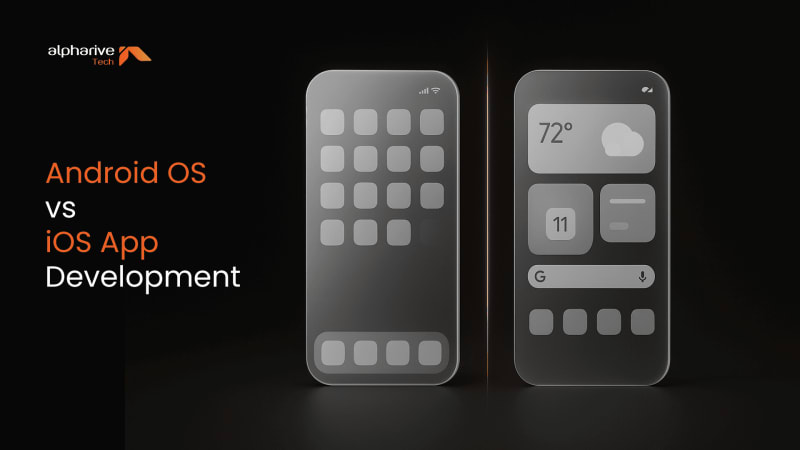
User experience and interface differences play a major role in how people perceive both platforms. Android gives users freedom to customize home screens, use advanced widgets, and choose from diverse visual layouts. This personalization appeals to those who enjoy shaping their device's appearance and functionality.
iOS, meanwhile, offers a consistent and structured interface across all Apple devices. Its design philosophy focuses on simplicity and ease of use, which helps users adapt quickly. This uniformity supports intuitive navigation and smoother interactions, especially for people who use multiple Apple products. These design choices influence how developers build apps, ensuring compatibility with each ecosystem's preferred style.
Hardware Options: Range, Quality, and Ecosystem
Hardware options differ significantly between Android and iOS. Android's open ecosystem enables dozens of manufacturers to create devices at different performance levels and price ranges. This variety allows people to choose phones optimized for gaming, photography, battery life, or affordability. The diversity also gives companies the freedom to select devices that match their operational needs.
Apple takes a more streamlined approach by designing both hardware and software in-house. This results in a more consistent experience across all iPhones and other Apple products. The close integration enhances performance and longevity, appealing to users who value predictability and tightly connected ecosystems. These advantages influence how long devices stay reliable and how apps perform over time.
Cost Comparison: Devices, Upgrades, and Long-Term Value
Cost comparison between Android and iOS devices often depends on what buyers value most. Android offers a wide range of devices across different price brackets, making it easier for people to find options that fit their budget. Repair costs and accessory prices also tend to be lower for many Android models.
iOS devices generally fall into the premium price category, but they offer strong resale value and long software support. Many users see this as a long-term investment rather than a short-term purchase. When companies evaluate device spending, they often consider total lifecycle value rather than upfront cost alone, which can influence whether they choose Android or iOS.
Which OS Should You Choose? A Decision Guide
Choosing the right operating system depends on your preferences, habits, and expectations. Android fits individuals who appreciate flexibility, customization, and the ability to select from a variety of device types. Its adaptable nature supports a wide range of lifestyles and workflows.
iOS appeals to those who prioritize a unified ecosystem, smooth performance, and security. Its predictable updates and consistent interface provide a reliable environment that many people prefer. Thinking about your daily routines, budget, and long-term plans helps guide you toward the platform that aligns best with your needs.
Android vs iOS for Mobile App Development
The Android vs iOS decision also carries weight for businesses exploring mobile app development. Companies building solutions for large audiences must carefully evaluate platform differences to deliver high-performance digital products. As a software development company, Alpharive assists teams in selecting the right development approach, ensuring that apps fit user expectations and business goals across both ecosystems.
Development Cost
Development cost varies for Android and iOS because device diversity, testing requirements, and platform guidelines influence overall complexity, requiring thoughtful planning to deliver stable, user-friendly mobile experiences within defined project budgets.
Time to Market
Time to market depends on review cycles, device fragmentation, and platform rules, making it essential for teams to plan efficient development workflows that ensure polished, dependable applications ready for quick release across ecosystems.
Monetization Potential
Monetization potential shifts between platforms due to subscription behavior, user demographics, and market reach, helping businesses design revenue strategies that improve app performance while strengthening long-term product growth and customer satisfaction.
Final Verdict: Android vs iOS
Both Android and iOS offer strong advantages, and choosing between them depends on what matters most to you. Android excels in flexibility, device selection, and cost options, making it suitable for users who value variety. iOS focuses on streamlined performance, reliable security, and a unified ecosystem. These differences help shape long-term device satisfaction. Understanding how each platform aligns with your lifestyle or business goals gives you the clarity needed to choose confidently.
Related Article: Best Tech Stack to Choose for Mobile App
Build Your Mobile Application with Alpharive
Alpharive provides custom app development services to design and build powerful mobile experiences across Android and iOS. Our team focuses on user-centric design, careful engineering, and scalable solutions that support long-term growth. If you're exploring a new mobile app or improving an existing one, now is the perfect time to work with a team that understands both platforms deeply, connect with experts today and plan your launch.